Vertical Farming and Smart Greenhouses: The Future of Urban Agriculture
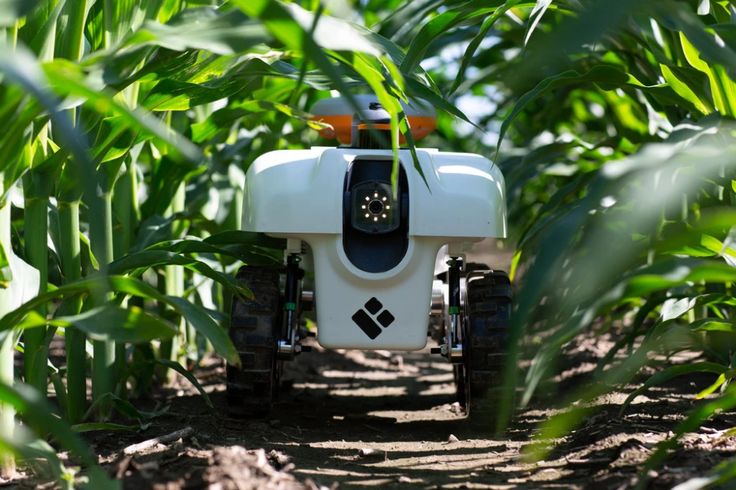
Vertical farming and smart greenhouses are rapidly redefining the future of urban agriculture by combining cutting-edge technology, data-driven automation, and sustainable practices to grow high-quality crops efficiently within city environments, making it possible to feed growing populations while minimizing the environmental footprint. In 2026, urban farming is no longer limited to small rooftop gardens or hobbyist projects; it has evolved into fully automated, multi-level vertical farms that use advanced LED lighting, hydroponics, aeroponics, and IoT sensors to monitor and optimize every aspect of plant growth, from water usage and nutrient delivery to temperature and humidity control. Smart greenhouses take this a step further by integrating AI-driven climate control, predictive analytics, and real-time monitoring, allowing crops to thrive year-round regardless of external weather conditions while conserving energy and resources. These technologies not only maximize yield per square meter, making urban spaces productive rather than wasted, but also drastically reduce water consumption compared to traditional agriculture, helping cities address resource scarcity and sustainability goals simultaneously. Moreover, vertical farms and smart greenhouses enable precise crop management, reducing pesticide usage, eliminating exposure to harmful chemicals, and producing healthier, cleaner food for urban populations. The adoption of robotics and automated systems further enhances efficiency, with machines handling planting, pruning, and harvesting tasks faster and more accurately than human labor, reducing operational costs and improving scalability. In addition, integration with AI-powered supply chain and logistics platforms ensures that produce can be harvested, packaged, and delivered directly to urban consumers, grocery stores, or restaurants with minimal waste and maximum freshness. By leveraging technology, vertical farming and smart greenhouses also create opportunities for data collection and optimization, allowing growers to analyze growth patterns, forecast yields, and experiment with crop varieties more effectively, which can drive innovation and continuous improvement in food production. With rising global urbanization and increasing demand for locally sourced, sustainable food, these advanced agricultural systems are not just an alternative to traditional farming—they are becoming a necessity for resilient urban food networks. In essence, vertical farming and smart greenhouses represent a transformative shift in how cities can produce food, combining technology, sustainability, and efficiency to create a new agricultural paradigm where urban spaces are optimized for both human habitation and high-yield farming, ensuring that by 2026 and beyond, urban populations have access to fresh, nutritious, and sustainably grown produce while cities reduce environmental impact, increase resource efficiency, and embrace the smart farming revolution that promises to secure the future of food in metropolitan areas around the world.